 -
-
 -
-

giovannicerchia_it.pdf
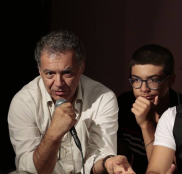
Giovanni Cerchia (Svizzera, 1965) è professore ordinario di Storia contemporanea presso l’Università degli Studi del Molise dal marzo 2021.
Si è laureato in Scienze Politiche a Napoli nel maggio del 1991 e ha conseguito il dottorato di ricerca a Milano nel 1997, lavorando fino al 2002 presso l’Università degli Studi di Roma «La Sapienza».
Dal giugno 2004 al giugno 2006 ha coordinato la raccolta e il riordino del Fondo Pietro Ingrao presso Centro di iniziative e di studi per la Riforma dello Stato (CRS) di Roma, dirigendo poi lo stesso CRS fino al giugno del 2007. È membro dei comitati scientifici delle fondazioni Giorgio Amendola (Torino) e CRS-Pietro Ingrao (Roma), nonché del consiglio direttivo dell’Istituto Campano per la Storia della Resistenza, dell’Antifascismo e dell’Età contemporanea «Vera Lombardi» (Napoli). Dal marzo del 2019 è il direttore scientifico della Fondazione Giorgio Amendola (Torino). Dal dicembre 2020 è stato nominato quale componente del Consiglio d’amministrazione della Reggia di Caserta. Dall’ottobre 2024 è responsabile del Laboratorio di geo-storia, politica, economia per il territorio del Dipartimento di Economia presso l’Università degli Studi del Molise. Dall’aprile 2025 è presidente del Comitato scientifico e membro del Consiglio direttivo dell’Istituto Regionale per gli Studi Storici del Molise «Vincenzo Cuoco».
Ha partecipato e partecipa ai comitati editoriali e scientifici di diverse riviste e collane editoriali, tra le quali il «Centro di documentazione e ricerca della storia delle istituzioni scolastiche, del libro scolastico e della letteratura per l'Infanzia», «Nuovo meridionalismo online», le collana Citoyens (Ediesse) e Pagine di Novecento molisano e del Mezzogiorno d’Italia (Volturnia), «Italianieuropei», «Poligraphia», il «Bollettino dell’Ufficio Storico» dell’Archivio dello Stato Maggiore dell’Esercito italiano
Le sue principali pubblicazioni sono dedicate alla storia della sinistra politica italiana nel Novecento e alle vicende della Seconda guerra mondiale, con particolare riguardo al Mezzogiorno d’Italia.
Per un curriculum più dettagliato del docente, è possibile consultare il pdf allegato.